
Professional Audio Mixing and Mastering Services for Music, Radio, and Theatre
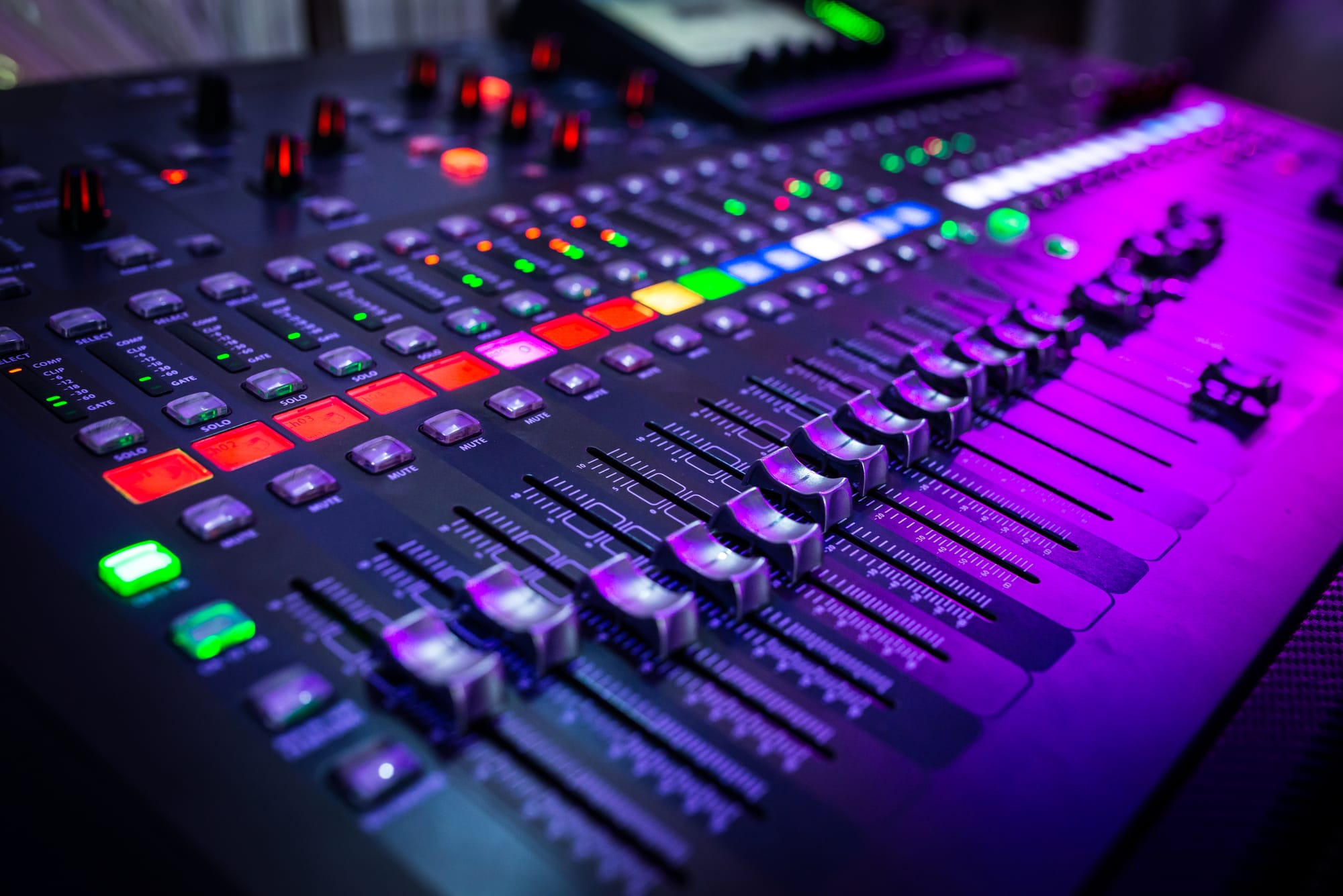
Audio mixing and mastering sets the emotional contour of any finished production. The craft translates raw tracks into a balanced experience that preserves performance intent while meeting platform standards. Productions that ignore this stage risk distracting listeners with uneven levels, dull dynamics, or artifacts. Next Step Arts teams lean on tested frameworks to turn complex sessions into repeatable results. This article walks through the planning, collaboration, and technology that keep every radio play, podcast, and live recording sounding immersive.
Defining Goals for Audio Mixing and Mastering Success
Set creative and technical objectives before the session begins. Producers identify how the mix should support dialogue, music, and effects across each format. They document loudness targets, headroom, and delivery codecs mandated by broadcast partners or streaming platforms. Directors share scene intentions so mixers can prioritize narrative clarity over sonic spectacle. A lead sound engineer examines reference tracks from similar campaigns to match tonal balance. Accessibility requirements also influence early decisions, since captions and descriptive audio benefit from controlled dynamics. Teams map how professional voice over services integrate with music cues to avoid masking critical copy. This preparation helps audio production services translate artistic notes into measurable parameters. When teams align on these benchmarks, revisions shrink and audience immersion rises.
Before the mix, gather stems from past campaigns that match your target ambience, note timestamps that highlight clarity and spatial balance, and document compliance specs from every distribution partner. With references defined, the production team can move seamlessly into session organization and creative preparation.
Building the Session with Organized Assets
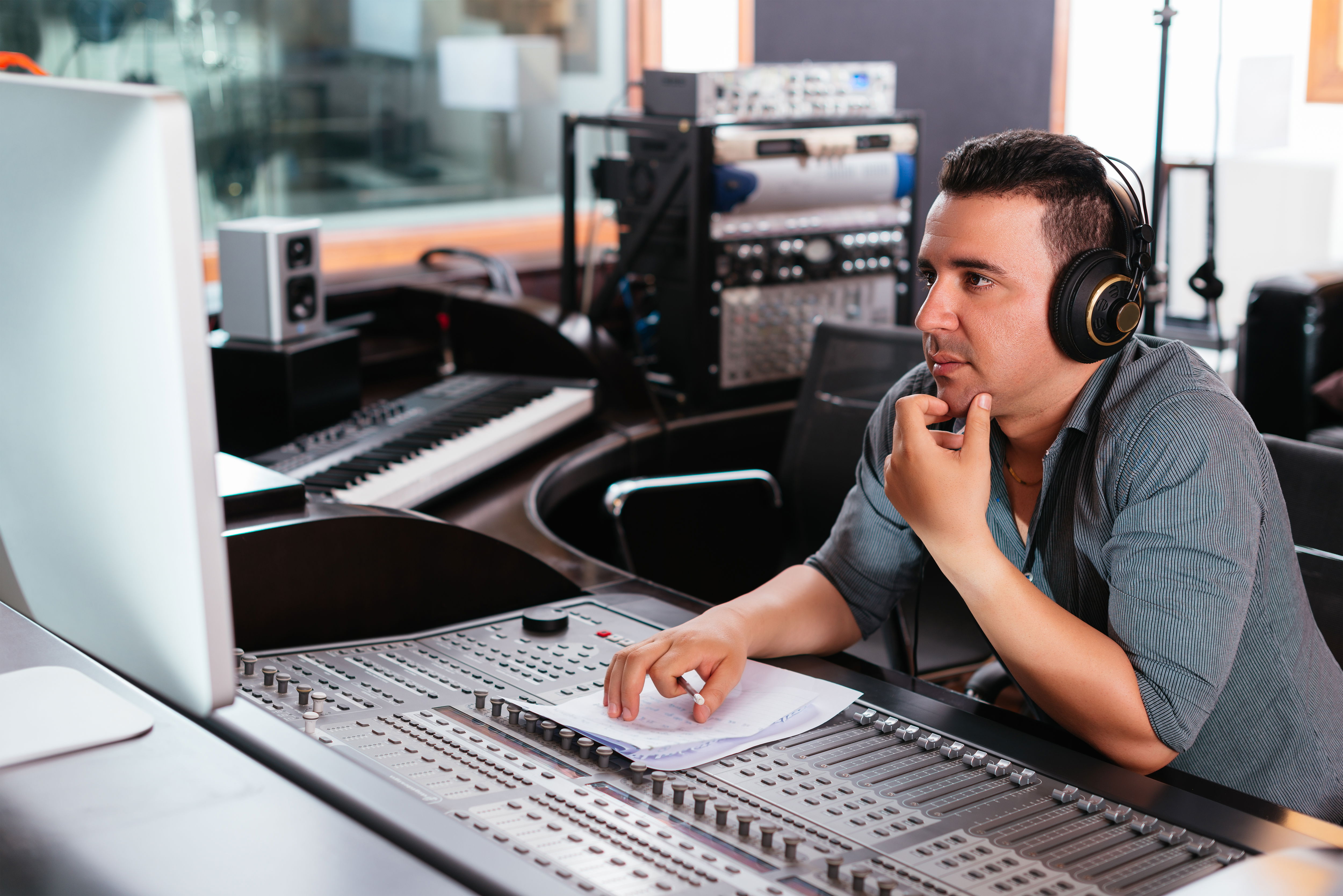
Efficient sessions rely on disciplined file management. Label stems with clear prefixes for dialogue, music, foley, and design. Include tempo maps, key signatures, and SMPTE timecodes where relevant. Editors remove clicks, pops, and noise before the mix so engineers focus on creative choices. Color coding tracks in the DAW helps the team navigate quickly during reviews. Integrating version control keeps remote collaborators in sync, especially when AI voiceover scratch tracks or alternate takes arrive mid-session. Track notes include version numbers referencing the audio mixing and mastering roadmap so stakeholders stay oriented. A reliable audio post production workflow also archives project files for future updates or localization.
Before the session begins, confirm that every audio mixing template is up to date with the current plugin chains and routing setup. Share documentation that explains track naming conventions for new collaborators, and store all assets on redundant drives or secure cloud folders tied to project milestones.
Sculpting the Mix with Intentional Processing
With files organized, engineers begin balancing levels. Dialogue often leads the process, especially when professional voice over services anchor the story. Mixers set compression ratios that control dynamic swings without flattening emotional delivery. Equalization removes resonances and opens space for music and sound design. Automation rides bring focus to pivotal lines or cues, ensuring audio mixing and mastering audio decisions reinforce the script. Spatial effects, from subtle reverbs to immersive surround beds, establish location without overpowering speech. Engineers document every plugin setting and automation pass inside notes that travel with the audio mixing and mastering audio deliverables. They constantly A/B against reference tracks to maintain consistency.
Mixers apply gentle multiband compression on dialogue buses to preserve vocal nuance, use sidechain techniques to let narration cut through music without noticeable pumping, and automate ambience tails to create smooth scene transitions across episodes.
Mastering for Every Distribution Channel
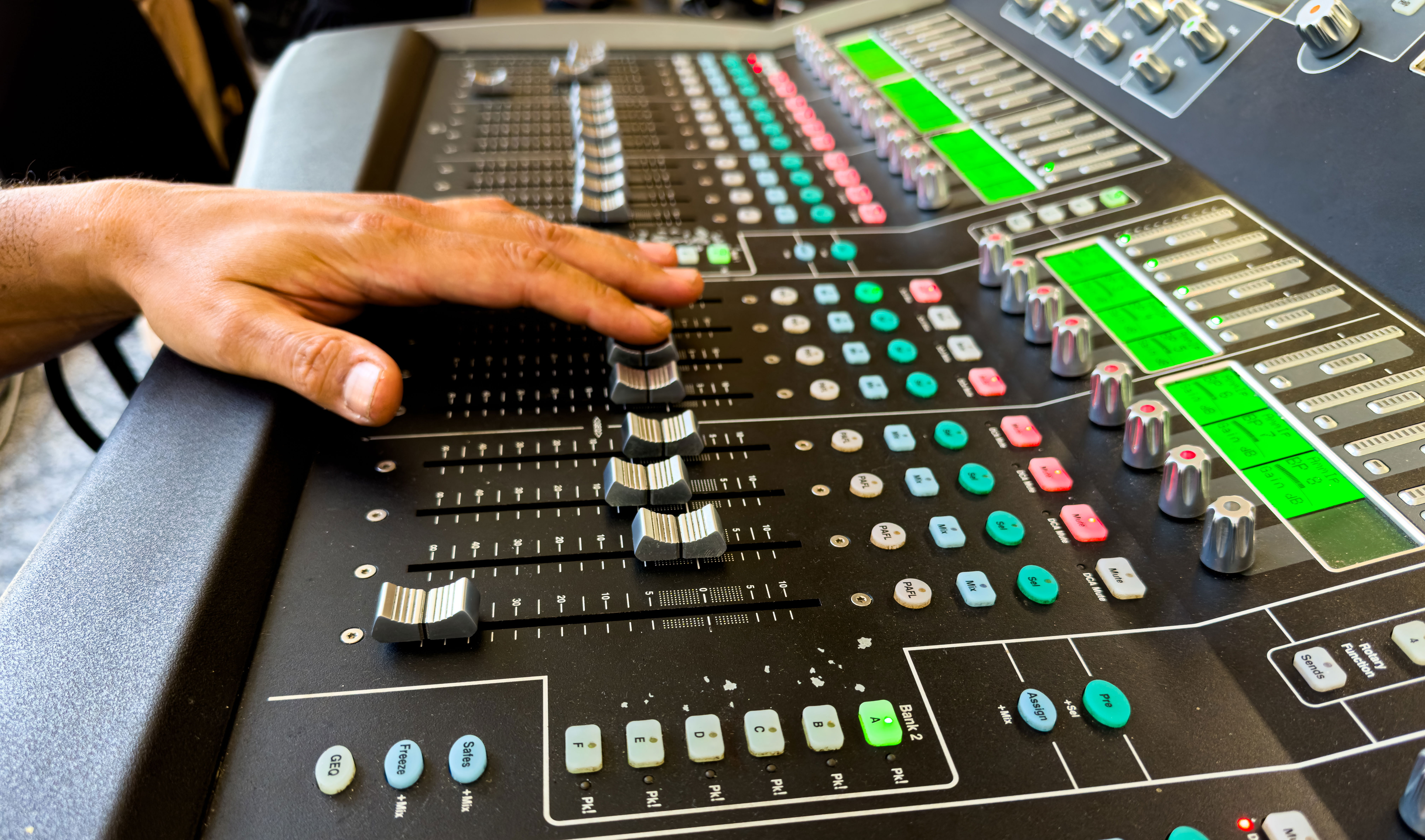
After the mix prints, the mastering engineer turns to translation. They monitor on multiple speaker sets and headphones to mimic listener environments. Strategic EQ tweaks correct spectral imbalances introduced during mixing. Limiting and saturation deliver competitive loudness while preserving transient detail. Dithering and noise shaping prepare files for lower bit depths required by broadcast or podcast voice over standards. Engineers verify loudness units, peak ceilings, and true peak measurements against platform guidelines. Deliverables may include separate masters for radio production, streaming video, and theatrical playback. When campaigns require regional edits, audio mastering services produce territory versions with localized loudness while preserving brand identity. Each pass is logged with checksum data to confirm integrity during distribution. Consistency across those outputs defines resilient audio mixes and mastering strategy.
Deliverables should include clearly named WAV and MP3 masters, complete with ISRC codes, metadata, and captions when needed. Archive session notes detailing plugin chains and mastering settings to speed up future revisions or localized versions.
Collaborating with Directors, Talent, and Stakeholders
Communication keeps technical artistry aligned with storytelling goals. Directors explain how each cue supports emotion, letting engineers prioritize moments that drive plot. Voice actors join select reviews to ensure their performances translate after processing. Producers schedule listening sessions that include marketing, legal, and accessibility leads so feedback lands early. The sound engineer documents key decisions and shares recall sheets for future sessions. Marketing partners can test alternate call-to-action phrases while the team prints quick stems. Voice over services also provide pickup availability so rewrites land without scheduling gaps. When audio documentary or branded podcast teams participate live, they can request alternate underscores or narration edits on the spot. This collaborative loop prevents surprises during final approvals.
Begin reviews by addressing critical scenes that may need pickups or additional voice actor support. Capture timestamped feedback in shared documents, then conclude with a delivery roadmap outlining who approves the final mixes, masters, and localized versions.
Future-Proofing Audio Mixing and Mastering Workflows
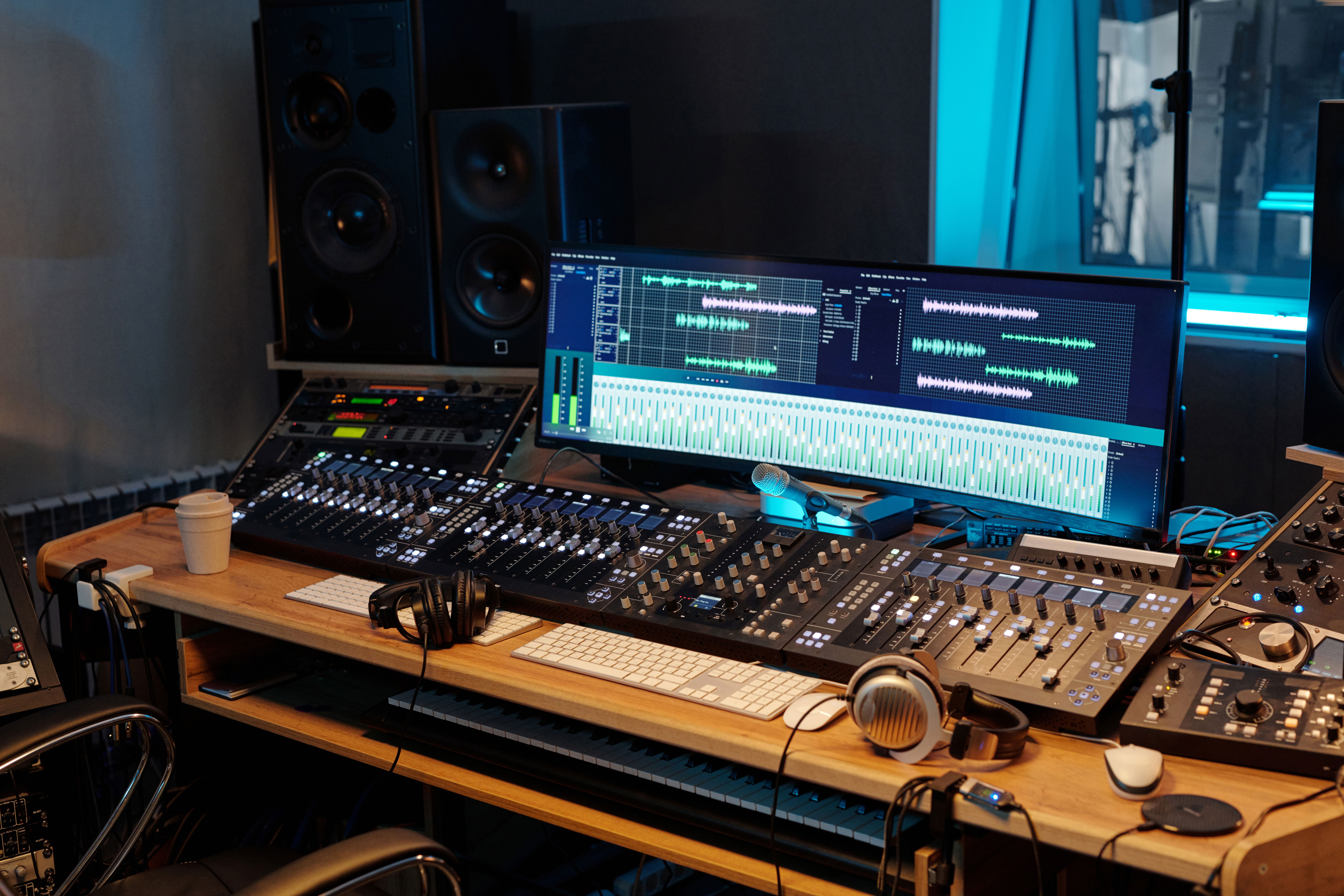
Technology evolves quickly, so teams need adaptable systems. Cloud collaboration lets dispersed engineers share large session files without slow transfers. Template updates ensure new plugins or Dolby Atmos tools integrate smoothly. AI-assisted noise reduction speeds cleanup while human mixers judge final tone. Studio leads also track emerging loudness standards across streaming and interactive media. Investing in education keeps audio production services staff ready for binaural, spatial, or AR formats. Partnering closely with professional voice over services maintains a talent pipeline that can pivot between traditional booths and remote capture. Regular retrospectives capture lessons learned and feed future updates to the audio post production knowledge base. Teams also review cybersecurity practices to protect unreleased content. Documenting every workflow inside a living playbook protects institutional knowledge.
Innovation Steps to Monitor
- Pilot ai voiceover tools for animatics while reserving final performances for live talent.
- Schedule quarterly training on new DAW features, metering plugins, or immersive formats.
- Review disaster recovery plans so audio post production can resume quickly after outages.
Conclusion
Audio mixing and mastering turns raw creativity into polished impact. Define goals early, organize assets, and empower engineers with clear feedback to keep sessions efficient. Reference checklists in this guide the next time you prep a radio play, documentary, or live concert capture. Next Step Arts can partner with your team to deliver masters that impress broadcasters, podcasters, and fans alike. Reach out when you are ready to elevate every channel with disciplined audio mixing and mastering.
FAQs
How long does an audio mixing and mastering project take?
Most projects finish within one to two weeks once assets are prepared. Complex campaigns that span multiple formats may require staged approvals with audio production services leads.
What files should I deliver before audio mixing and mastering?
Provide consolidated stems, session documentation, and tempo maps. Your sound engineer should also include notes about desired effects, reference tracks, and any sync considerations.
Can AI voiceover replace traditional narration in final masters?
AI tracks help creative teams test pacing or multilingual ideas quickly. Final masters still benefit from live performers whose nuance survives compression, limiting, and broadcast processing.